
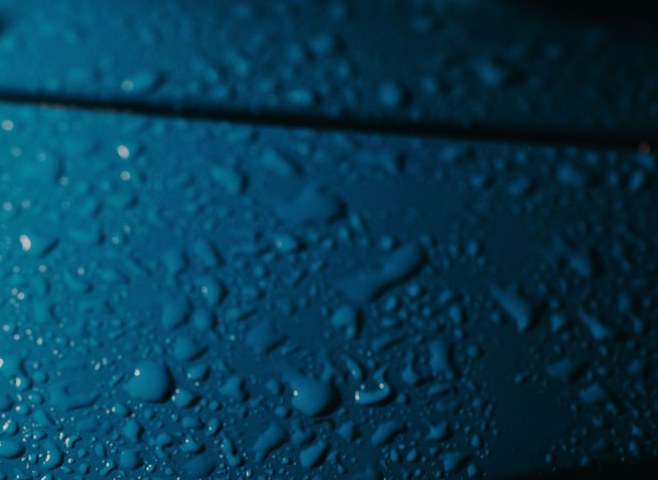
If water starts to lie flatter on the bonnet or the lower doors, take it as a reason to look closer. Water behaviour can change as the surface collects road film, minerals or products applied during a wash. A single rinse observation cannot tell you whether a coating has reached the end of its useful life.
For an example of what beading looks like, watch the silver Toyota Crown two years after coating. The clip describes one car on one day, not a lifespan test.
Check after a proper wash
Wash and rinse using the coating maker’s recommended products, then compare the affected panel with nearby areas. Look at which surfaces are affected. Lower doors may collect more road film, while horizontal panels can build up mineral deposits. The product used at a recent wash can also affect how water behaves, so mention it when you ask for help.
If a normal wash does not resolve the difference, ask the installer about a compatible decontamination clean. The detailer can inspect the paint and choose a treatment based on what is actually present. A quick topper may alter the water behaviour and make it harder to assess the underlying coating.
Bring the coating history to an inspection
Note when it was applied, how the car is parked and when the behaviour changed. Photos or a short video after a wash can help show the affected panels. Keep the invoice and aftercare instructions handy so the workshop can check what was applied and what the warranty covers.
If you have VIKMO protection, contact us to arrange a review if your concern persists. Warranty decisions depend on the inspection and the published terms.