
A clean piece of automotive glass can make a remarkable difference to the appearance of a vehicle. But when glass has water spotting, surface marks or fine scratches, achieving a clearer finish can take more than a quick wipe.
Glass polishing is a careful process. It requires the right equipment, controlled pressure, close attention to heat and, above all, patience. Rushing may seem like a way to save time, but it can compromise the finish and, in some cases, damage the glass.
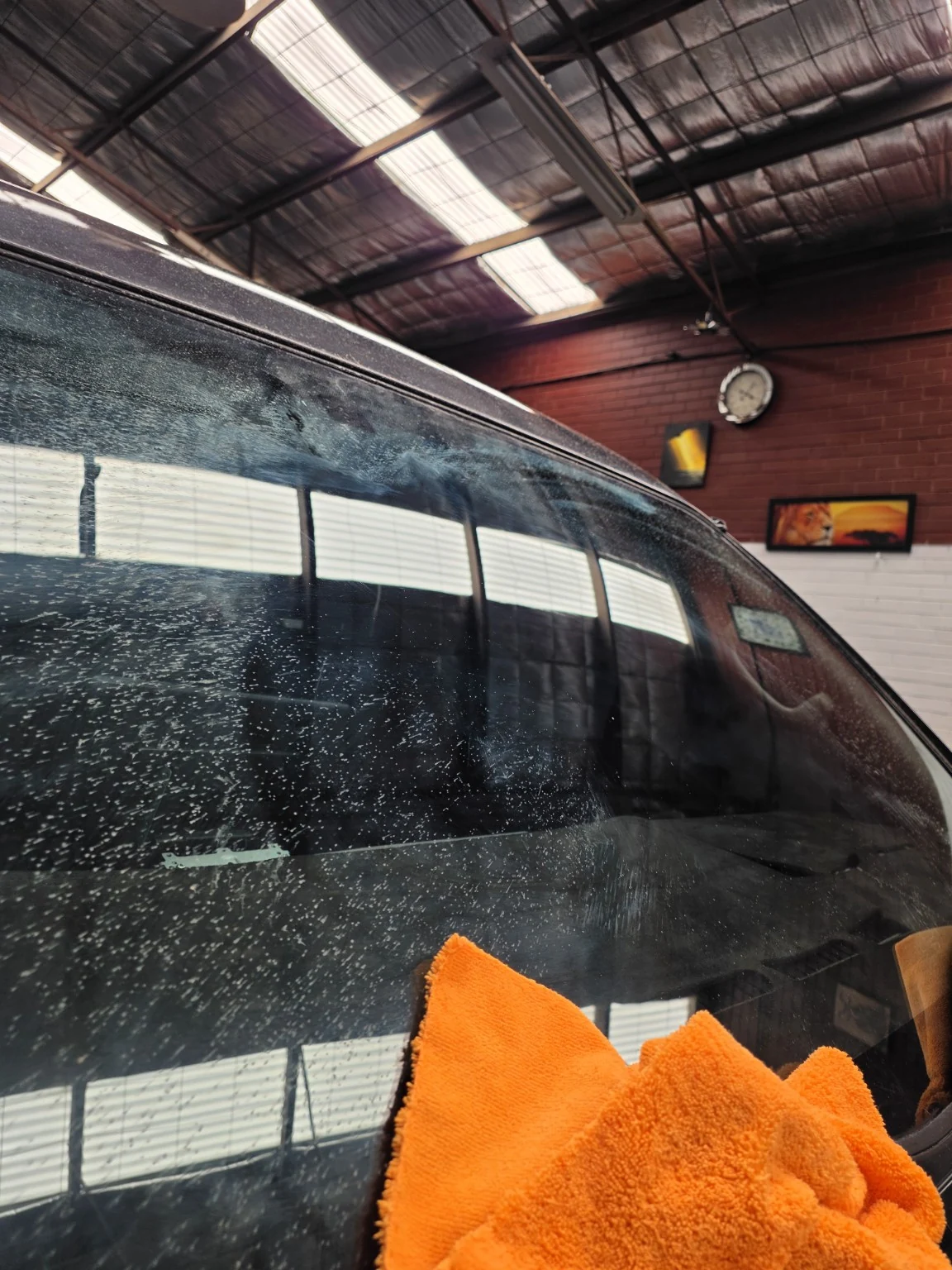
Glass is different from paint
Automotive glass and paint may both benefit from machine polishing, but they are very different surfaces. Glass is hard, and correcting marks in it can be a slow process.
Some contamination sits on the surface and can be cleaned away. Scratches are different: polishing them involves removing or refining a small amount of the surrounding glass. That means every decision matters—from the condition of the glass and the products used to how evenly the area is worked.
The goal is to improve clarity while preserving the integrity and optical quality of the glass.
Heat control is essential
Machine polishing creates friction, and friction creates heat. If too much heat builds up in one area, the glass can be placed under unnecessary stress and may crack.
Controlling heat means working carefully, keeping the machine moving, monitoring the surface and allowing it to cool when needed. The polishing pad, product and process must be suited to the glass and used according to the manufacturer’s instructions. More pressure and more speed do not automatically produce a better result.
This is one reason glass polishing should never be treated as a race.
Work one manageable area at a time
A vehicle window can be a large surface, but trying to tackle it all at once makes it harder to control the work.
Working in manageable sections makes it easier to monitor heat, maintain consistent contact and inspect progress. Each area needs to be blended carefully with the surrounding glass. Concentrating too aggressively on one small spot can remove glass unevenly and create an unwanted lens effect or visual distortion.
A careful process may involve polishing, cleaning away residue, inspecting the result and deciding whether further work is appropriate. Sometimes the best decision is to stop.
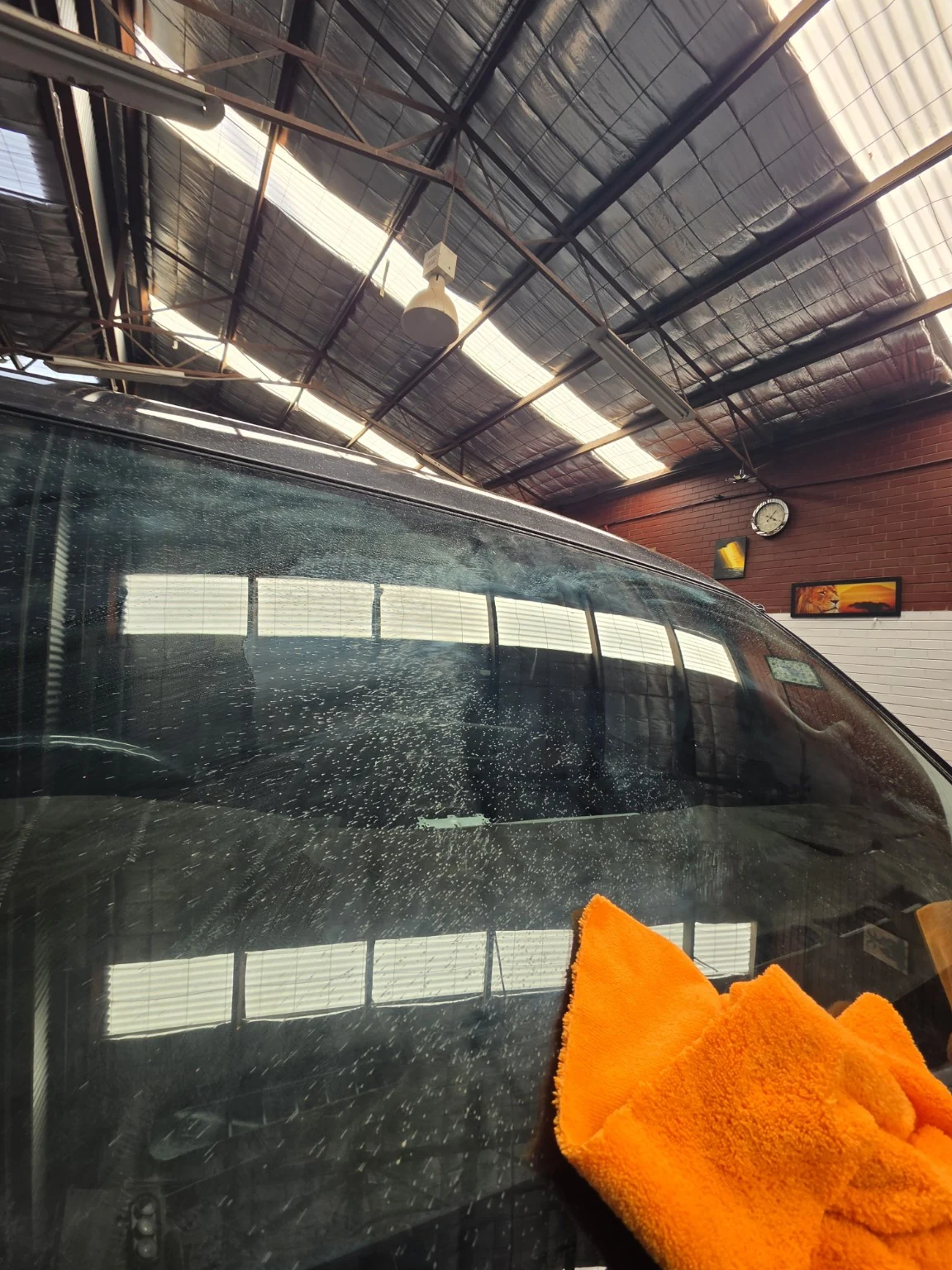
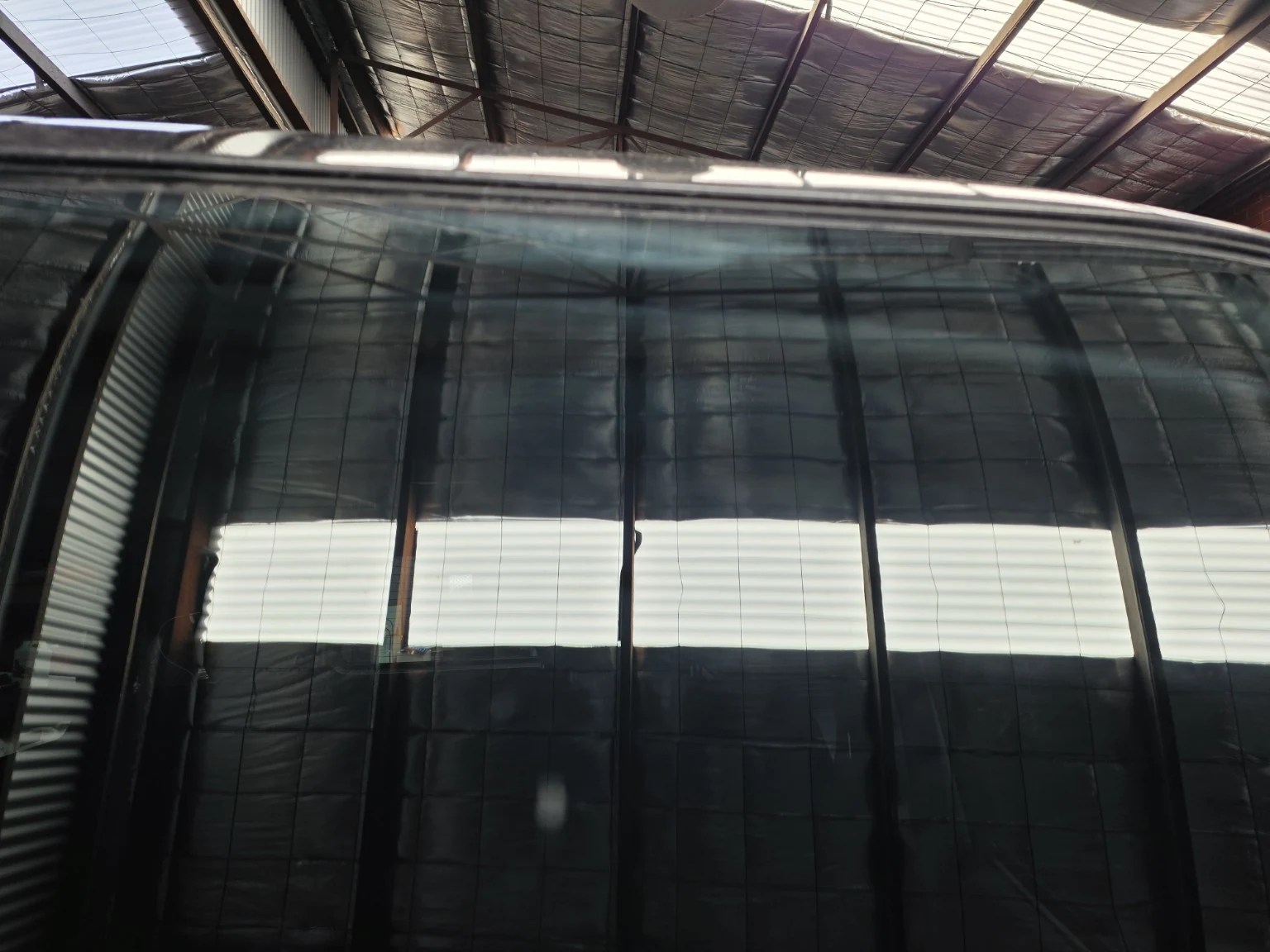
Why it should never be a quick turnaround job
Good glass polishing takes the time the glass needs. The condition of the surface, the type and depth of the marks, the size of the area and the need for cooling and inspection all affect how long the job takes.
A quick pass might improve the appearance of light surface contamination, but meaningful correction requires a more considered approach. Rushing through it can leave uneven results or increase the risk of heat damage and distortion.
At VIKMO Auto Detailing, we believe a proper result is worth the time it takes. That means assessing the glass first, working carefully and being realistic about what can be achieved.
Knowing when polishing is not the answer
Not every mark can—or should—be polished out. Deep scratches, chips, cracks and damage that affects the driver’s view need careful assessment. Depending on the glass and the damage, specialist repair or replacement may be the safer option.
Front windscreens deserve particular care because optical clarity is essential to driving safely. Some glass-polishing systems are not recommended for front windscreens due to the risk of optical distortion.
The right approach is never to promise that every mark will disappear. It is to assess the glass, explain the possibilities and choose a process that puts clarity and safety first.
A clearer result starts with care
Glass polishing is a skill built around control: controlling heat, working in manageable areas, checking the finish and knowing when to stop.
It may not be the fastest job in the workshop, but the extra care is part of what makes the result worthwhile.
Have marks or water spotting on your vehicle’s glass? Contact VIKMO Auto Detailing in Hamilton Hill to discuss your vehicle and arrange an assessment. Enquire about your vehicle or call 0482 175 566.
Further reading: Mirka automotive glass polishing guidance and Glass and Glazing Federation glazing manual.